Process, terms and shipping, answered in one place
Buyers ask the same four things before a first order: how it runs, what it costs to start, how it ships, and what lands on the desk with it. This sheet answers those, and points the technical questions at the line sheets where they belong.
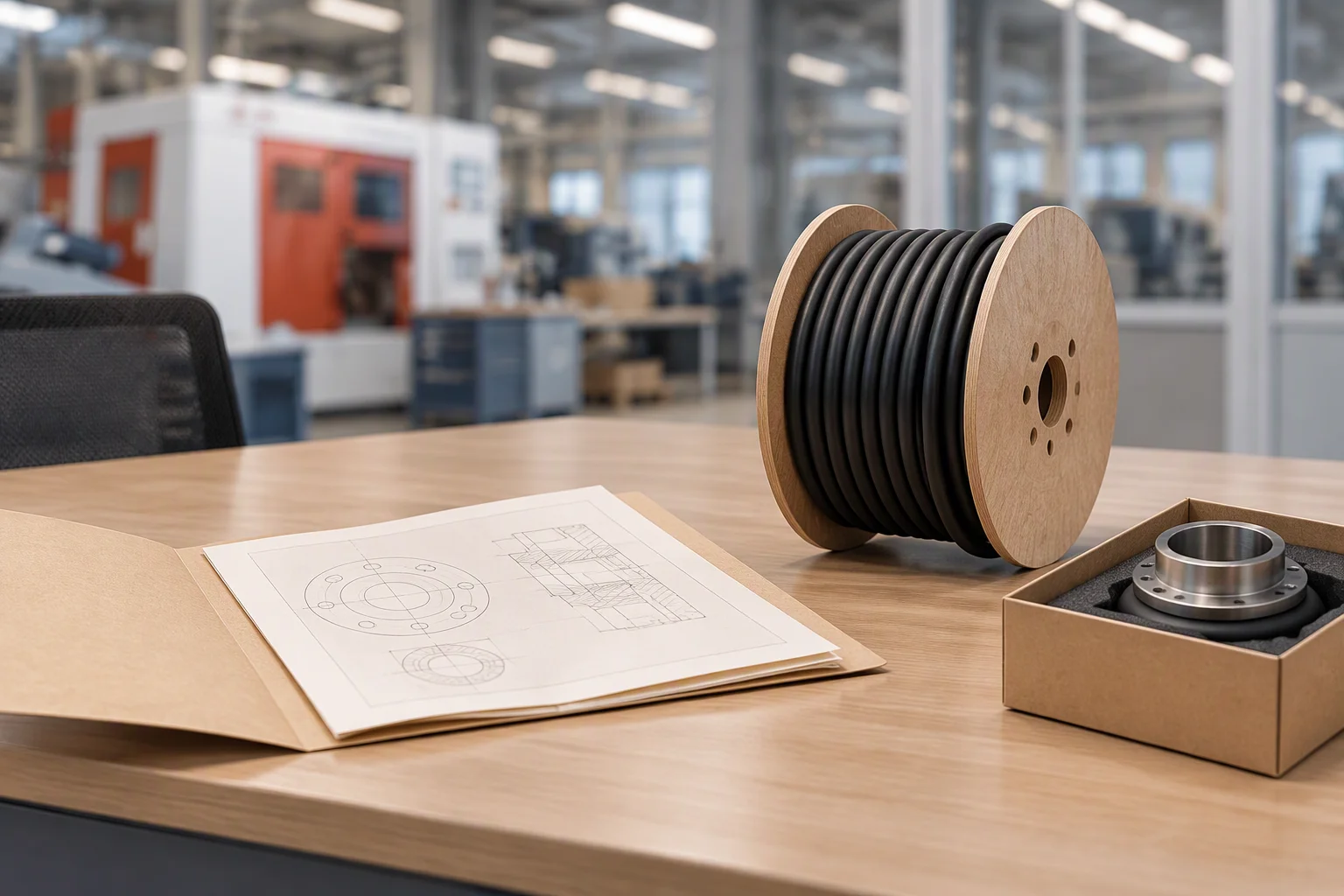
· The whole answer to most first questions is on this desk, not in a meeting.
How an order runs, from enquiry to dispatch
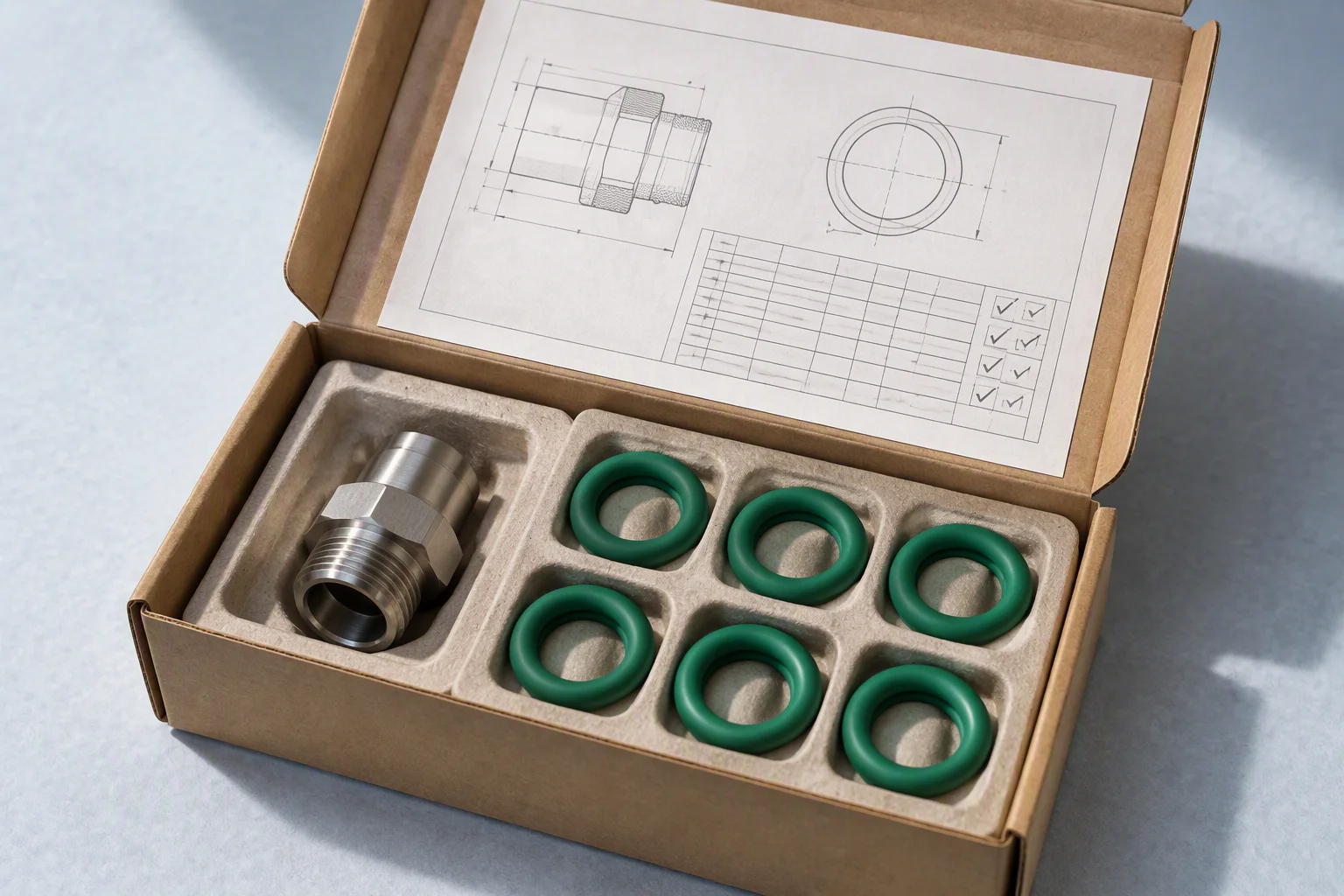
· The sample is the first place a drawing is proved or corrected.
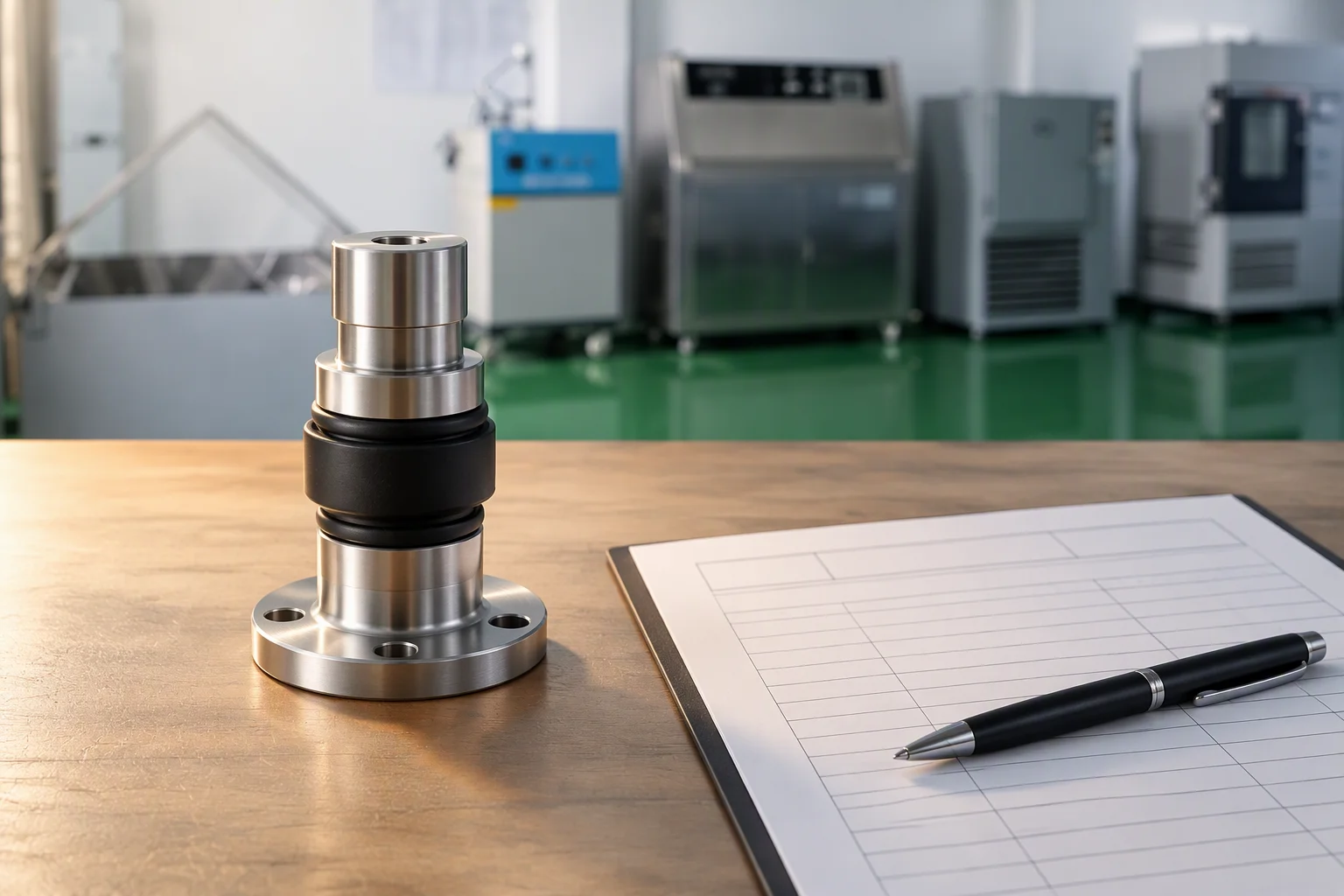
· Production does not start on a promise. It starts on a signed sample.
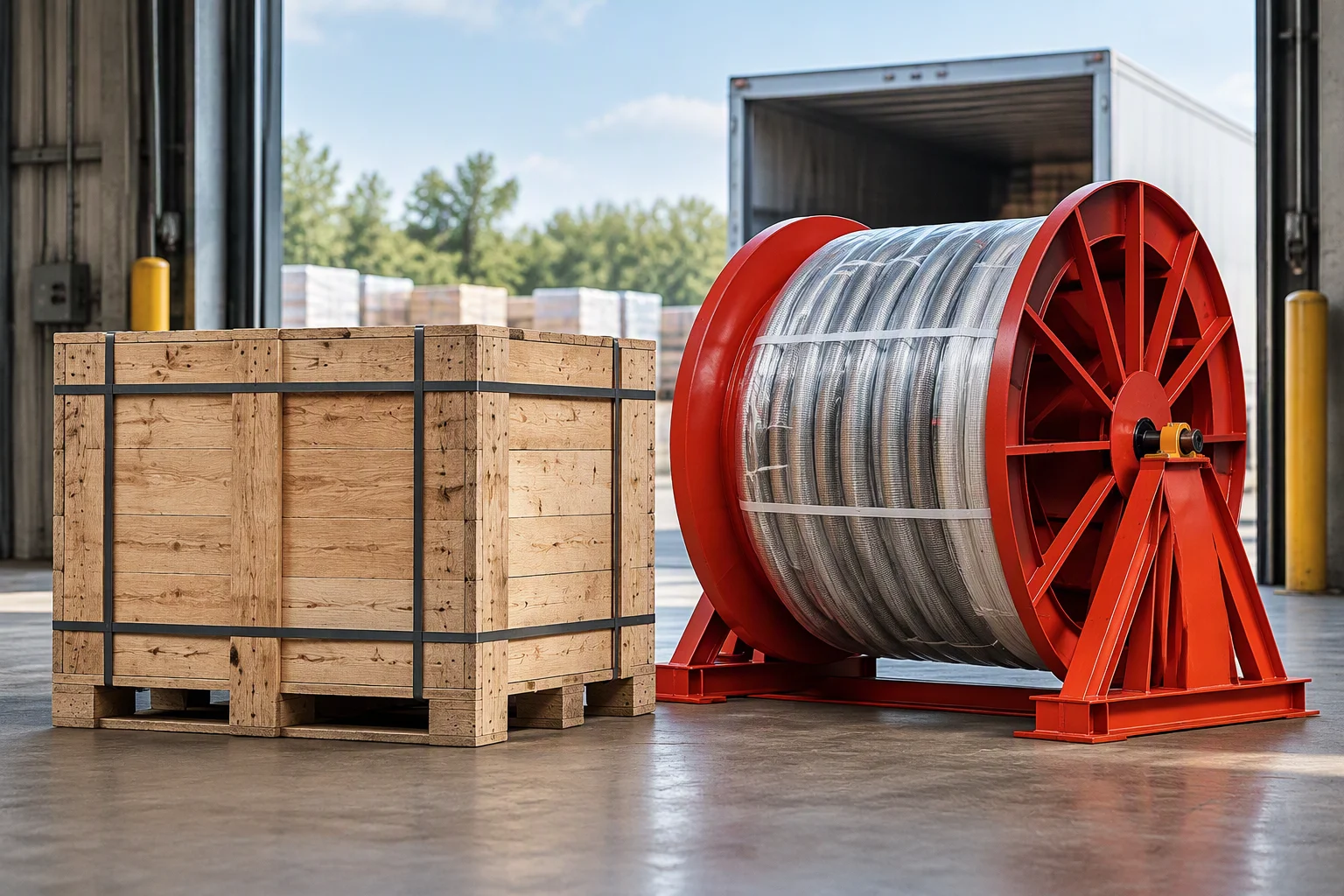
· Dispatch closes the same document number the enquiry opened.
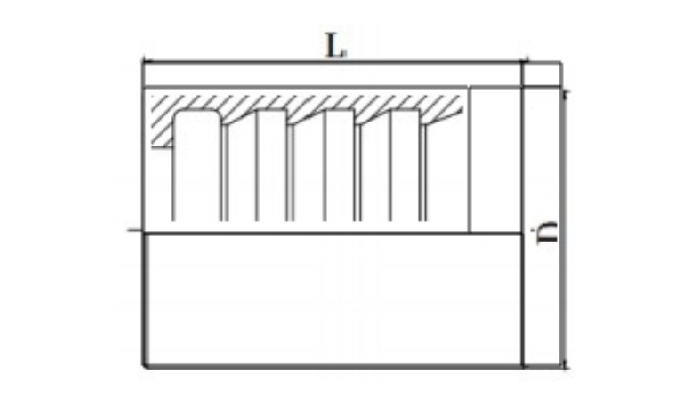
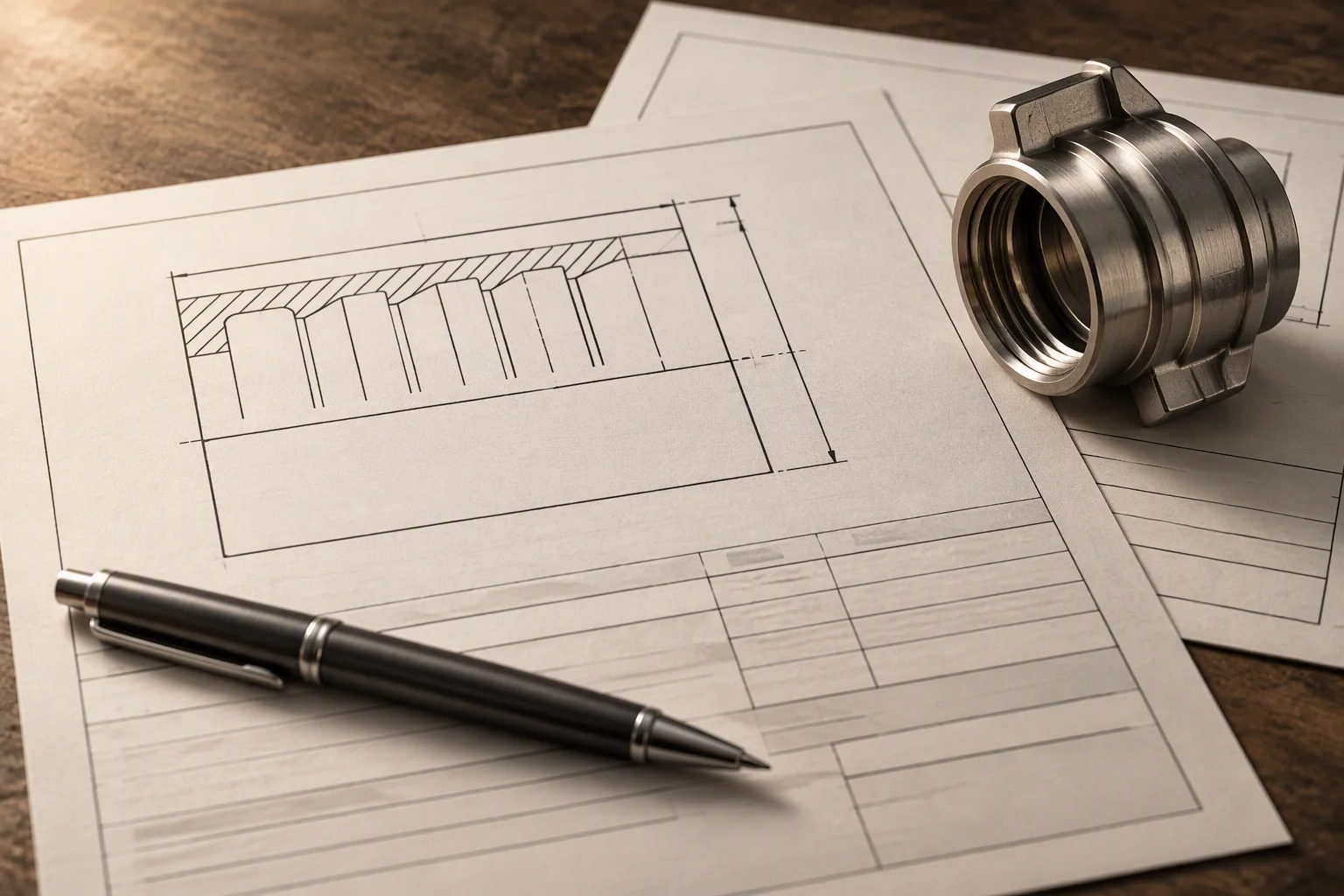
· The drawing that goes out with the quotation. The sample is made to it, not to a photograph.
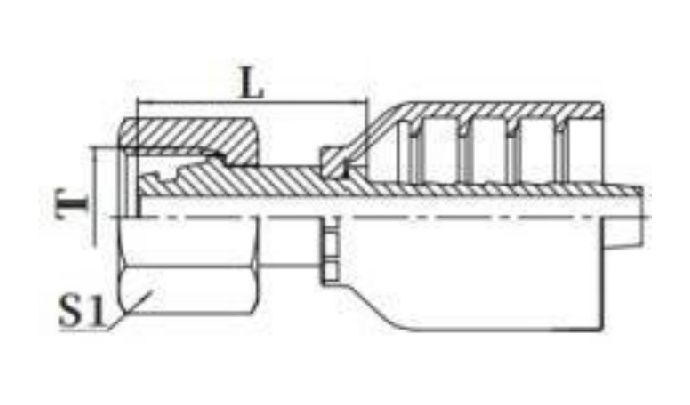
· Where a size is customised, the drawing is re-issued and the old revision is withdrawn.
The terms a first order runs on
| Question | What it runs on | Detail |
|---|---|---|
| Minimum orderStandard items | 1 carton | Custom lengths and custom terminations run from 500 m, because tooling is set per size |
| SampleBefore production | 7–10 days | Ships with the first article inspection record and the sample number |
| ProductionAfter sign-off | 25–35 days | A 15 day rush is possible on a set line, against a written order |
| PaymentStandard split | 30% · 70% | Deposit against the order, balance against the bill of lading copy. Letter of credit at sight for large orders |
| Delivery termsIncoterms | FOB Shenzhen | CIF and DDP are quoted on request, against the destination port |
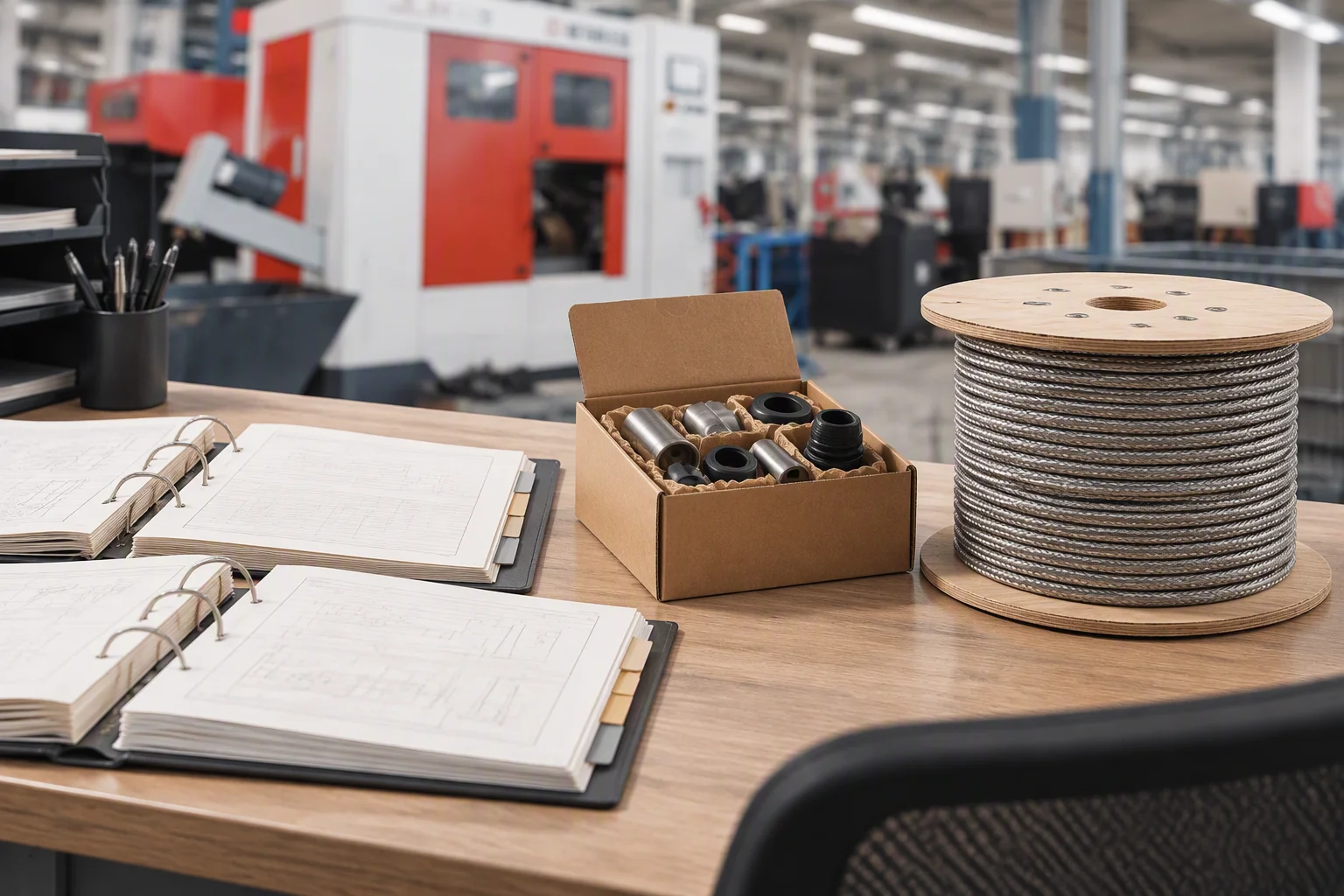
| PackingExport | ISPM 15 | Cable on a wooden reel, hose coiled and strapped, cartridges boxed with grade marked |
Nothing in this band is a standing offer. Terms are confirmed on the quotation, and the lead time starts when the sample is signed rather than when the enquiry arrives.
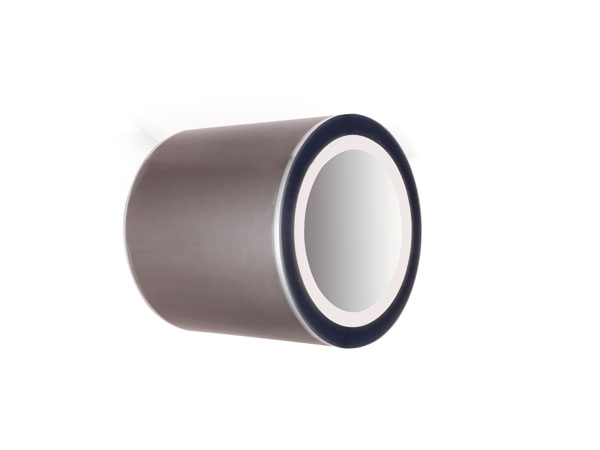
· Material supplied on a roll is cut to the ordered length, so the roll count is not the order.
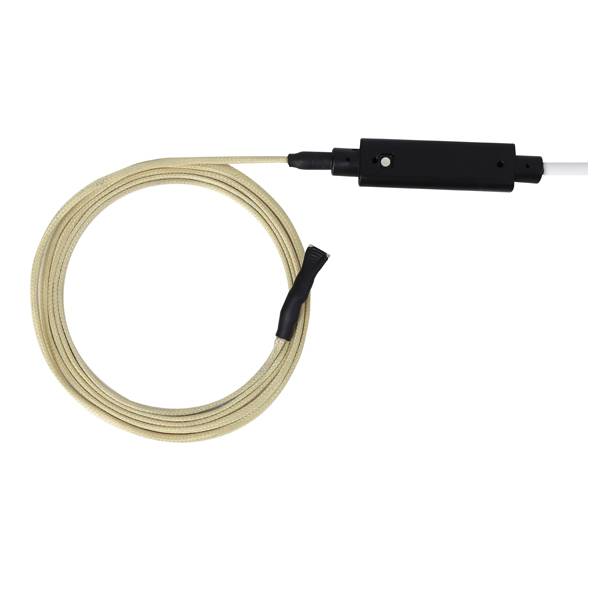
· Terminated assemblies are the reason custom lengths start at 500 m: the termination is set per length.
What ships, and what arrives on paper
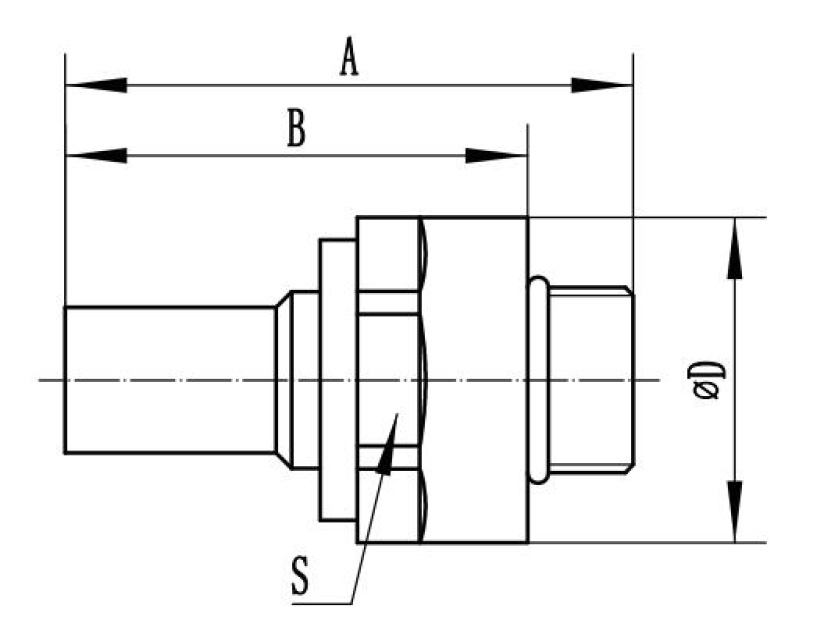
· Outline dimensions travel with the goods, so a crate can be checked against the drawing on arrival.
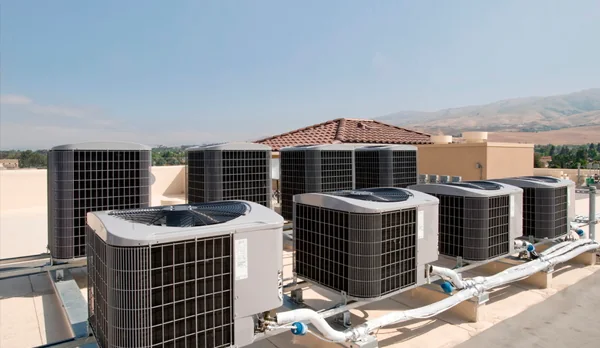
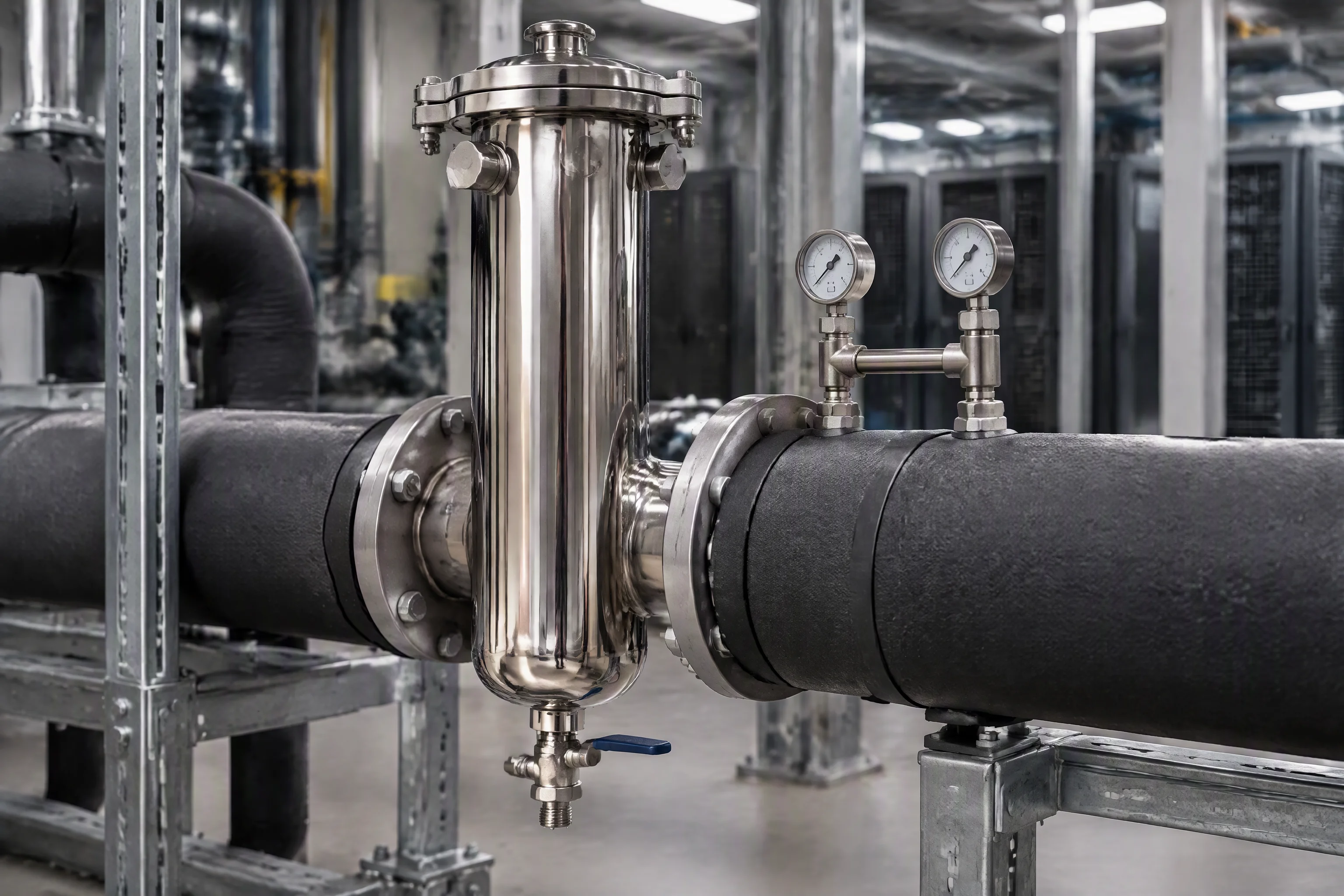
· Where a loop ends up: a plant deck, not a showroom. Packing is chosen for that journey, not for a photograph.
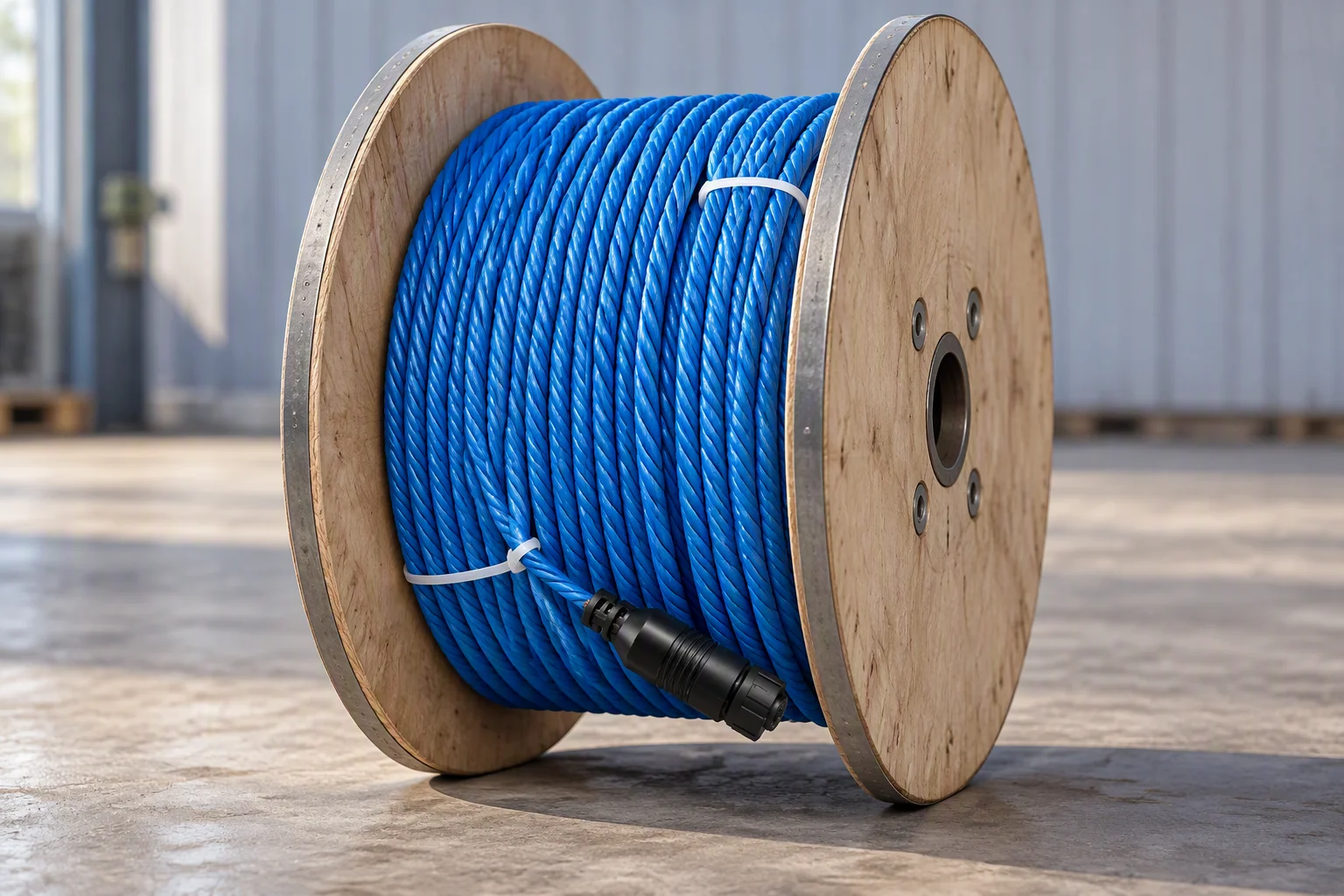
· A reel is the packing for cable, and it is also the dispenser on site.
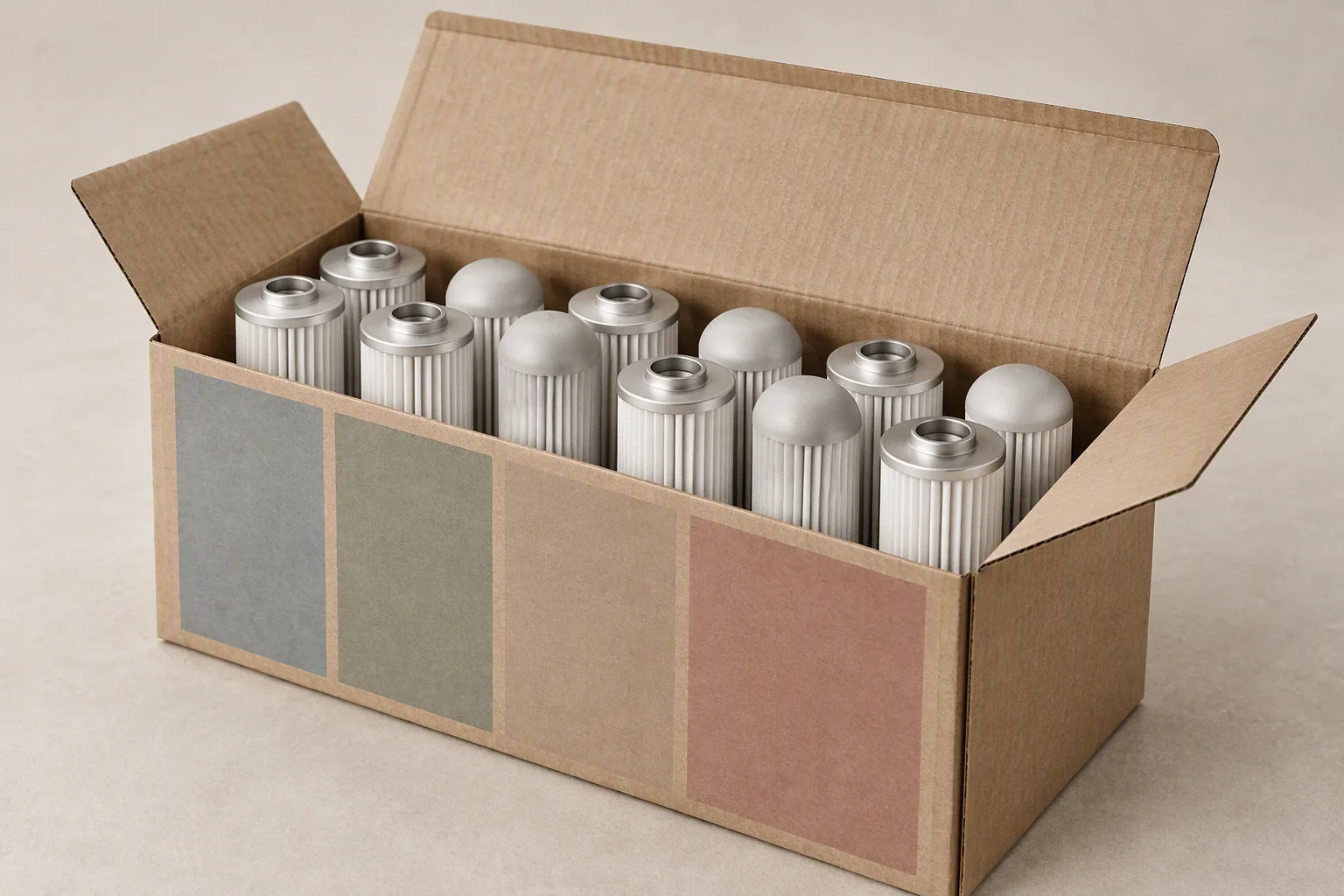
· Grade and size go on the outside. Nobody should have to open a carton to know what it is.
Questions that get asked of the wrong page
- Which cartridge grade should be fitted?
- The 1 µm absolute grade is the one this sheet is indexed on. The eight grades run from 0.05 µm to 100 µm and the choice follows the wetted path, so it is a design decision rather than a stock one. The filtration line sheet carries the full ladder.
- How often does a filter element have to be changed?
- On differential pressure, not on a calendar. The change point is 0.5–0.7 bar across the element, read by a differential transmitter rather than estimated from run hours.
- What pressure does the hose actually hold?
- The working pressure is 1.38 MPa, about 200 psi, on DASH −4 to −10. Each batch is proof tested at that pressure and one assembly is taken to failure, which is accepted at 5.5 MPa or above.
- Why is cleanliness quoted as a grade rather than a filter rating?
- Because a filter rating describes the element and a cleanliness grade describes the fluid. The target is ISO 4406 17/15/12 before first power-up, counted on a sample rather than assumed from the element that was fitted.
- Does the O-ring material have to match the coolant?
- Yes, and it is the most common quiet failure. A glycol concentration outside the intended range swells or shrinks the elastomer over weeks rather than days, so the compound is called out on the drawing and the coolant is confirmed with it.
- Can the detection cable be spliced on site?
- Terminations and end pieces are supplied for that purpose, and the locating resolution of 0.1 m is quoted for an assembly made up from them. A field splice outside those parts voids the quoted resolution.
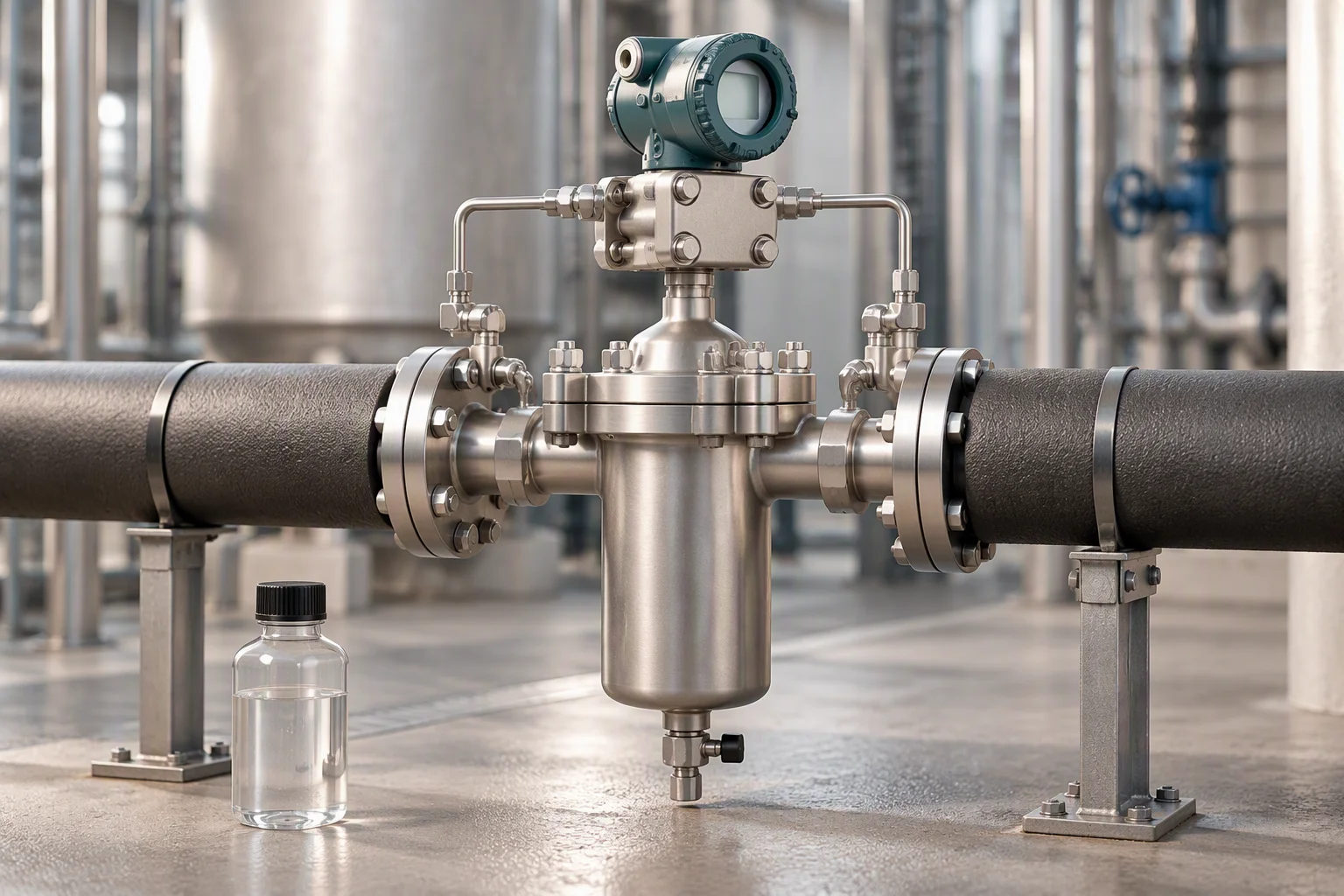
· The four figures a loop is actually managed on: position, pressure drop, cleanliness and pH.
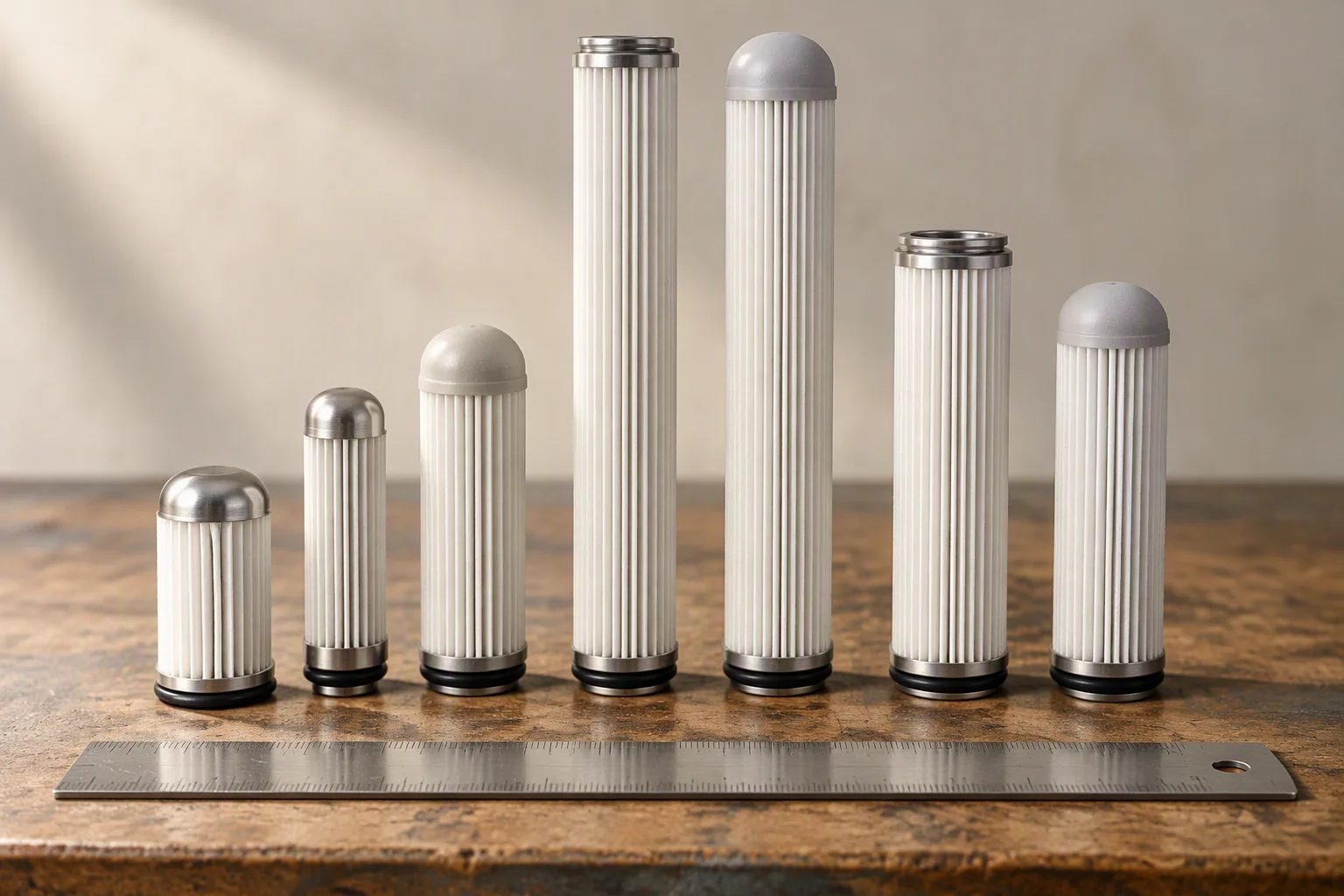
· Grade and length are two separate decisions, and both are on the filtration sheet.
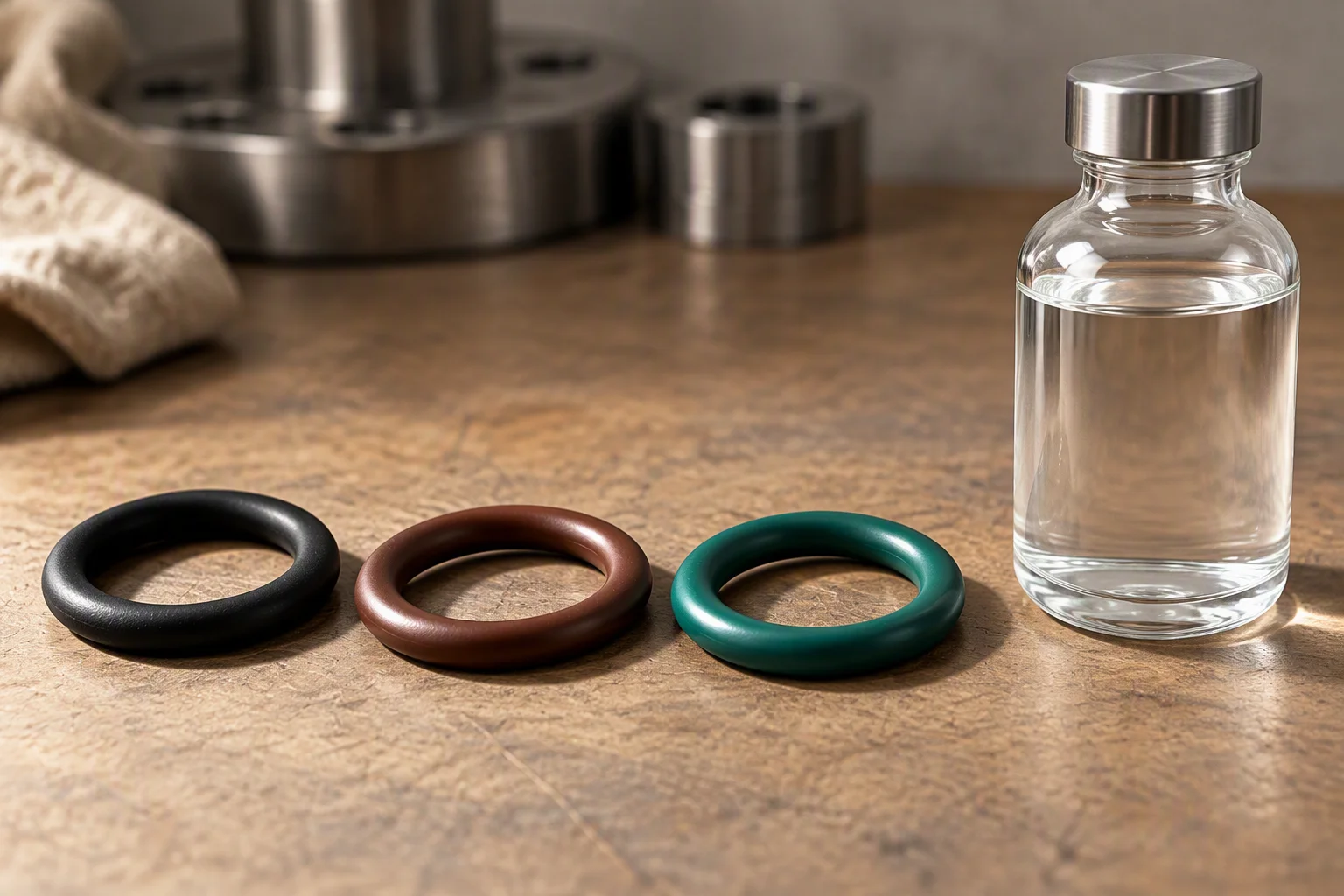
· Compound and coolant are one decision. They are specified together.
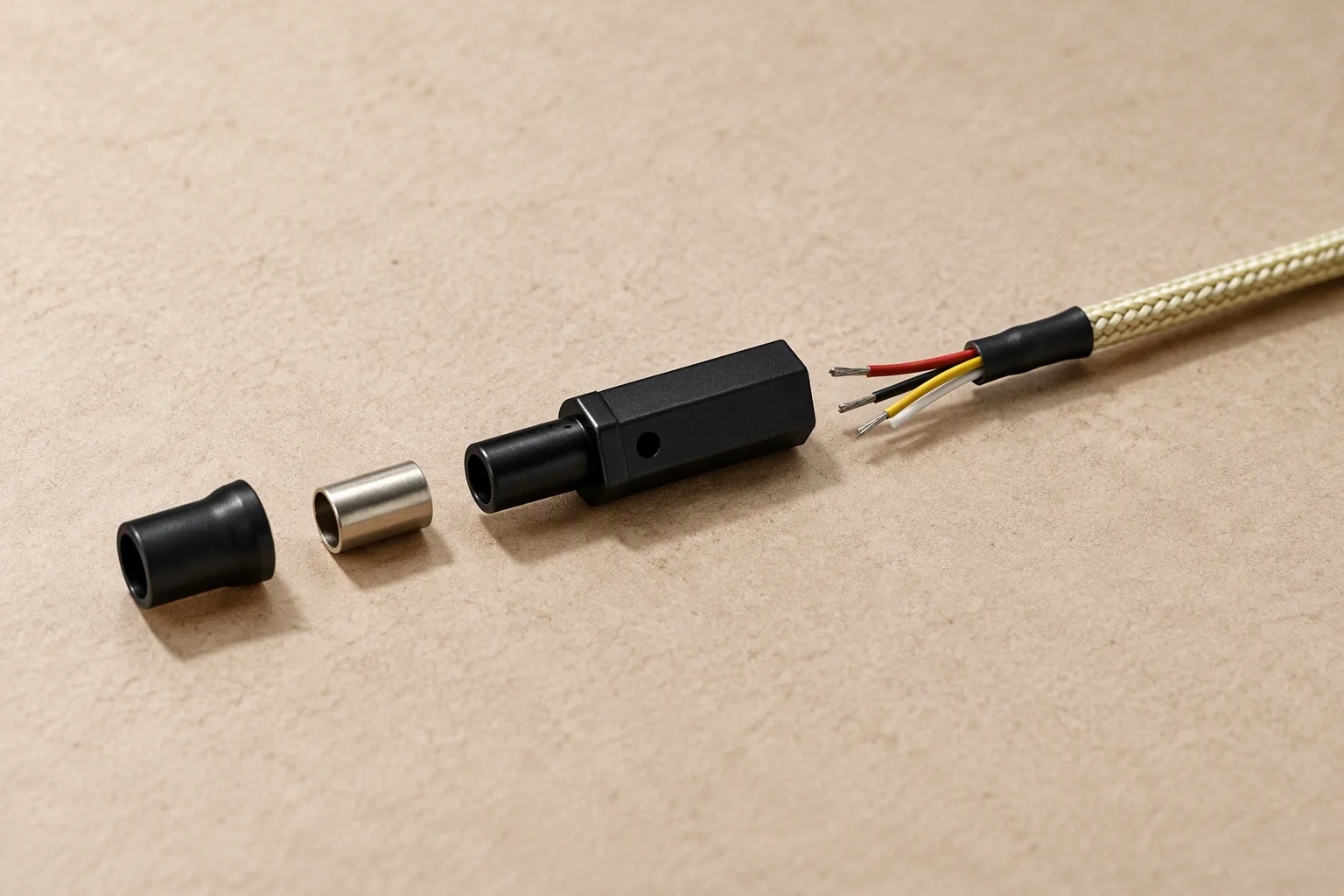
· The parts that keep the quoted locating resolution true at a termination.
Four documents are held for this sheet. Tick the ones you need.
Tick a document, name the line and the quantity, and the file comes back attached.
One business day, with the file attached.
Nothing else on this sheet is promised. Price, stock and a firm delivery date are not promised here.